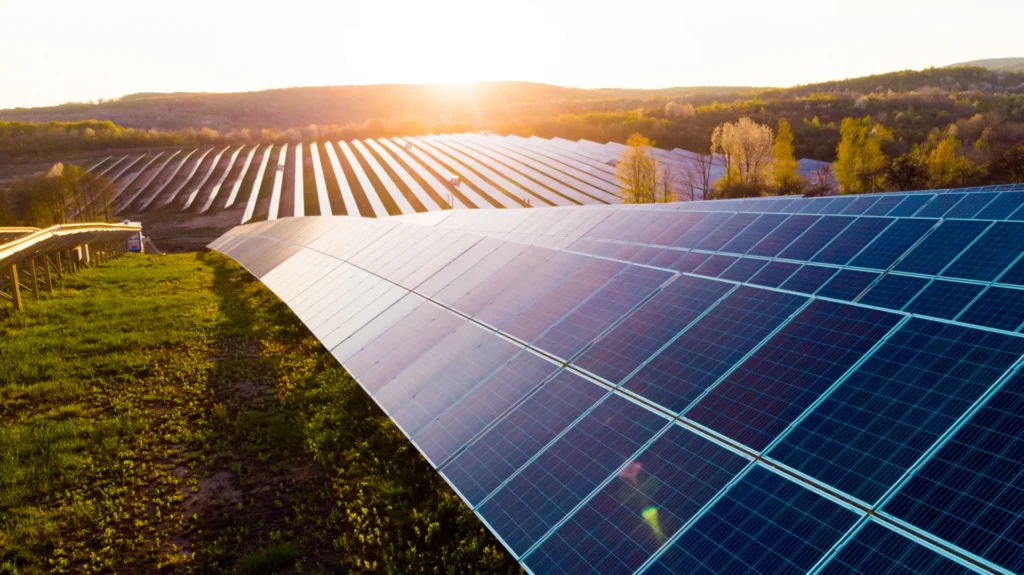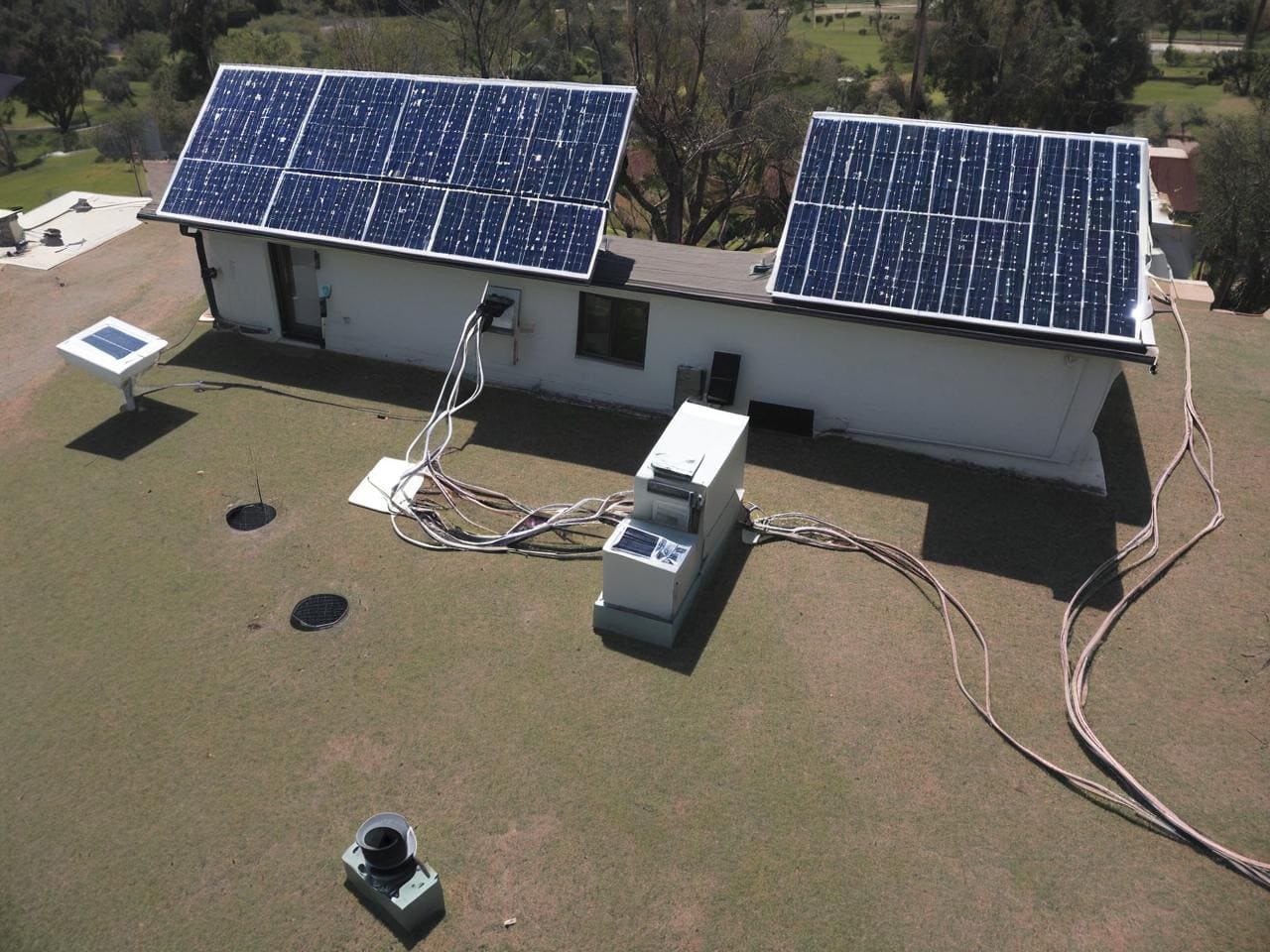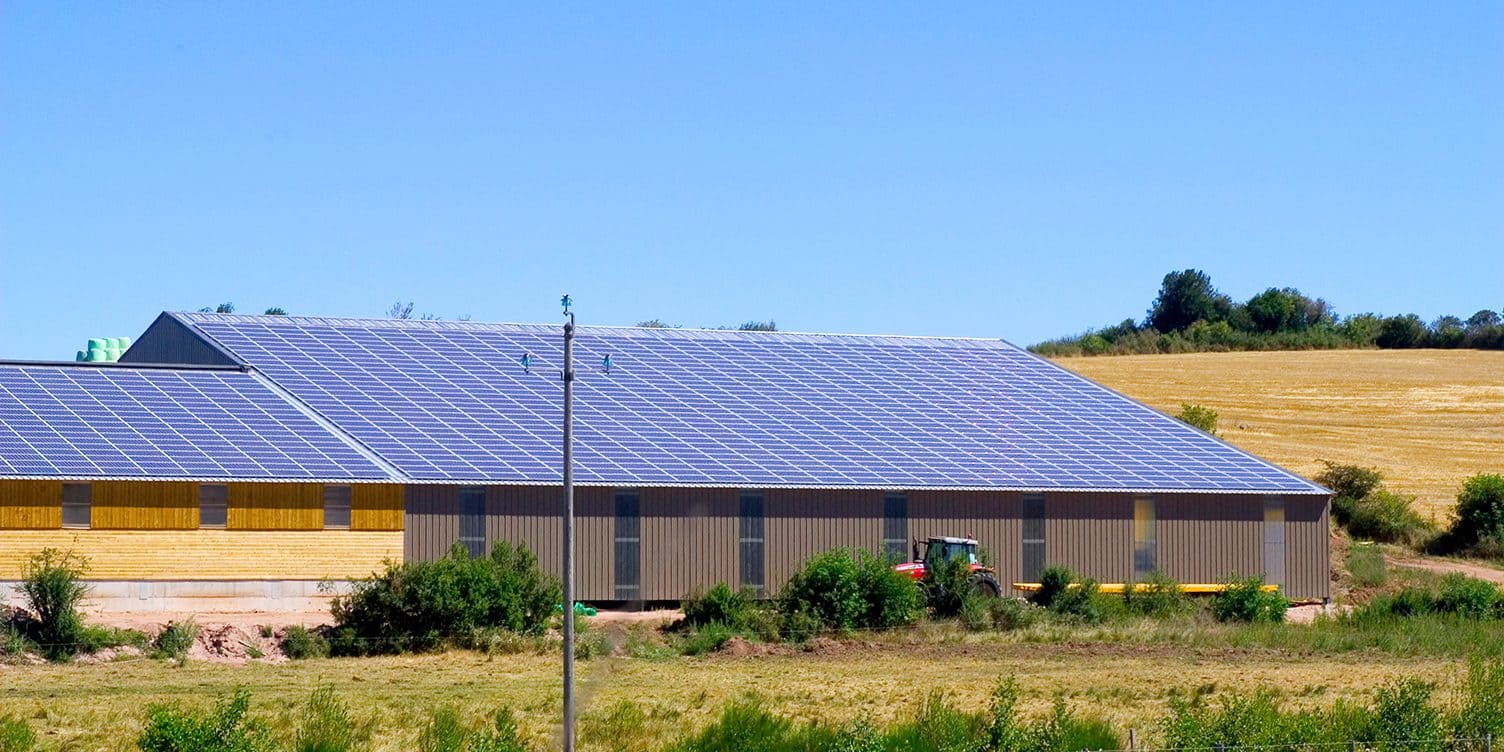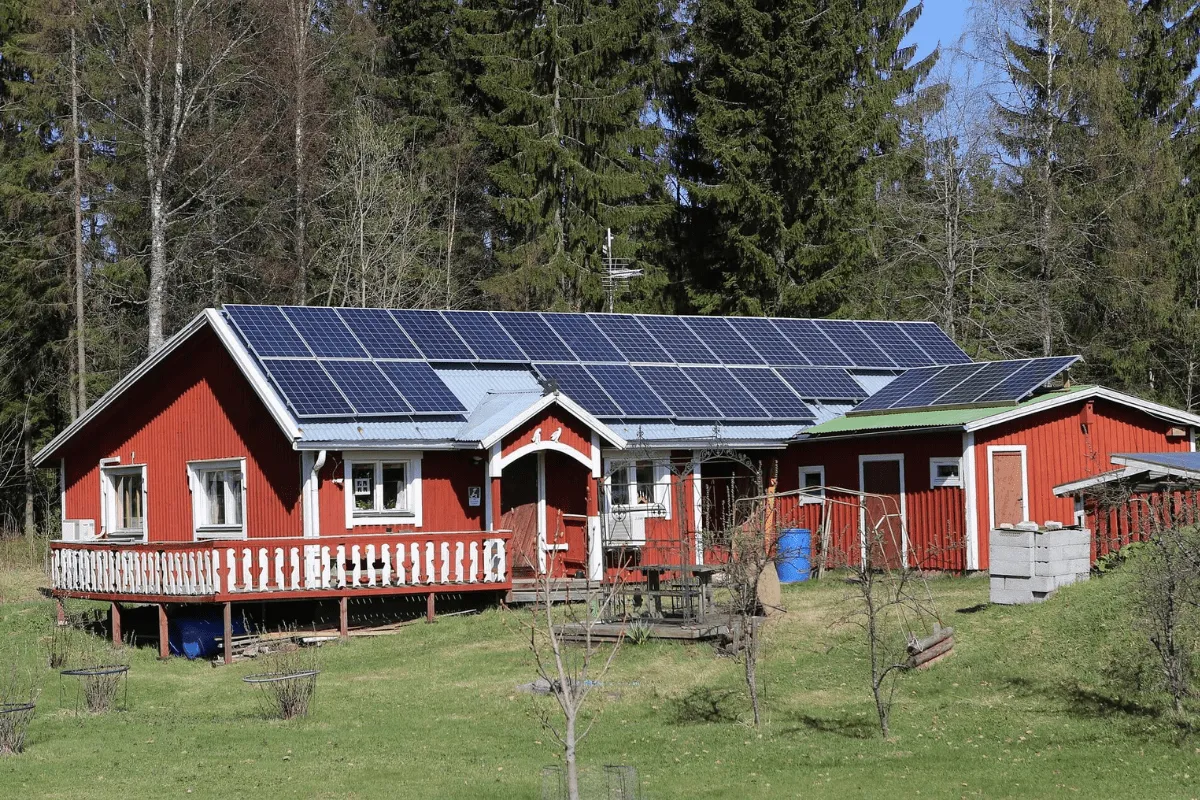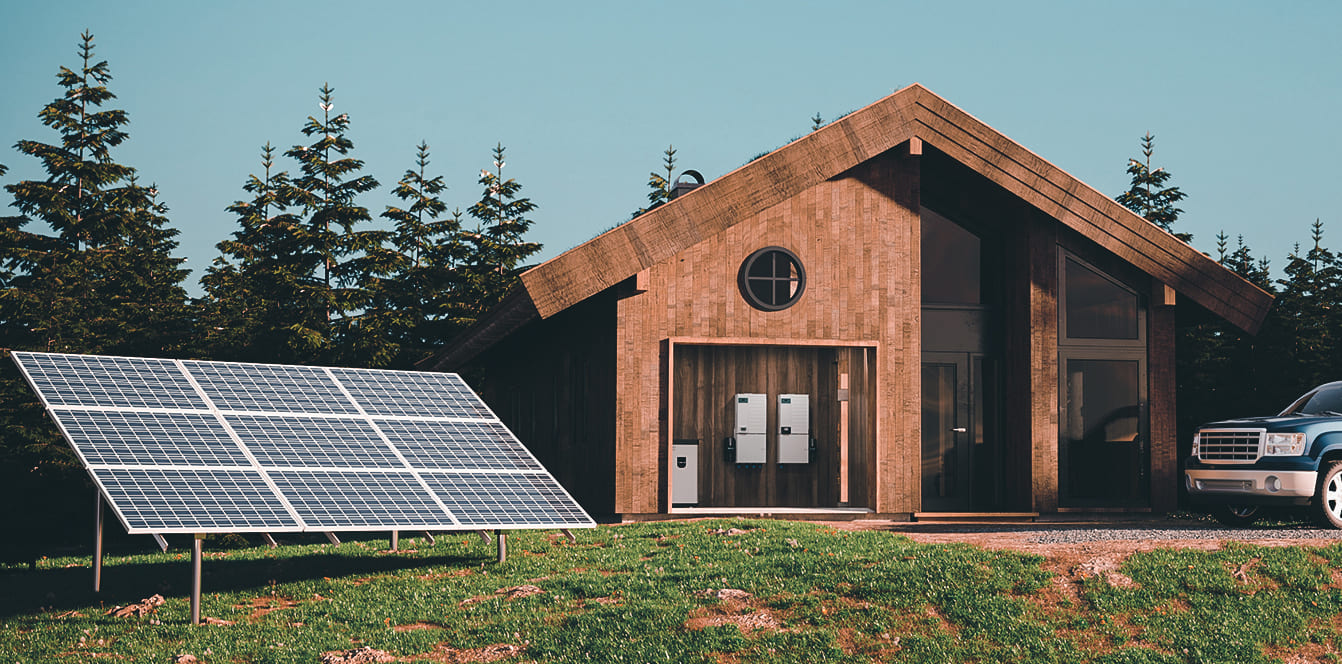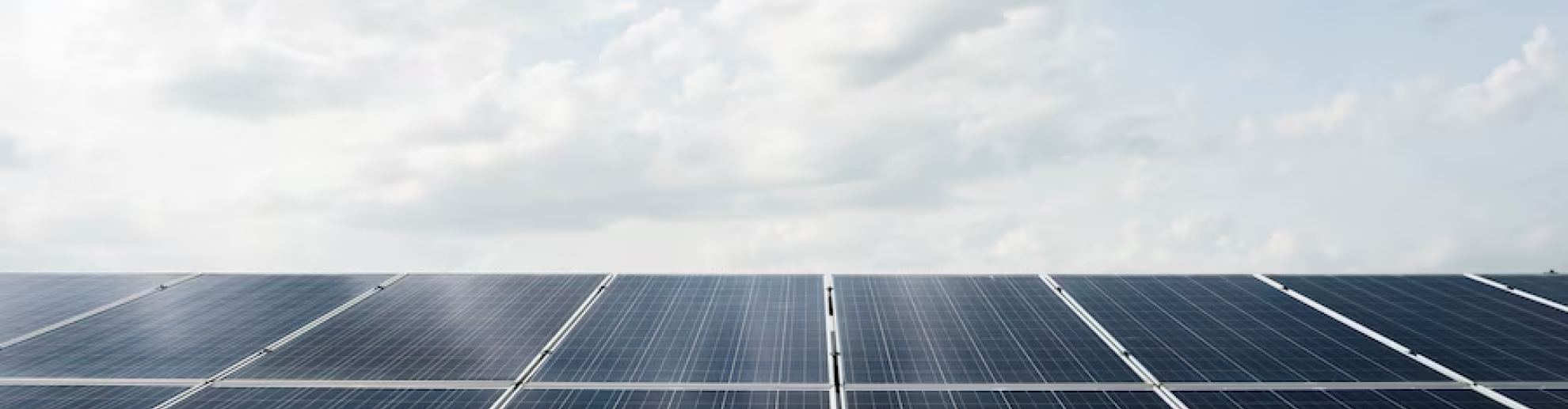
On-grid systems are connected to the public electricity grid and allow energy exchange between solar panels and the main grid.
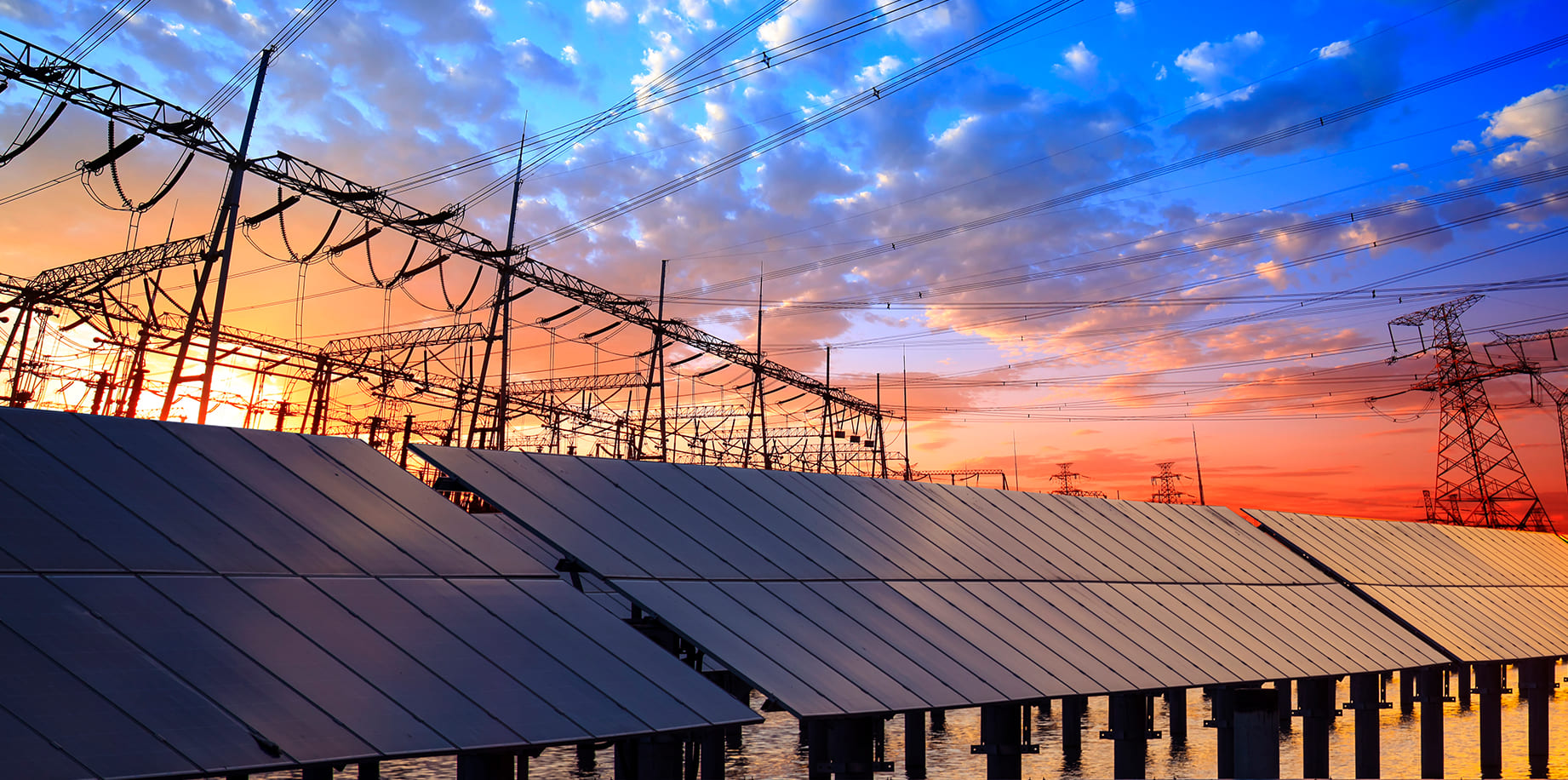
Solar panels converting sunlight into electricity.
Inverter converting DC to AC power.
Grid connection equipment.
Monitoring and safety devices.
Solar panels generate DC electricity.
Inverter converts DC to AC.
Excess energy is fed into the grid.
Grid provides backup when solar is insufficient.
Cost-effective and reliable.
No need for batteries.
Energy savings through net metering.
Low maintenance requirements.
Environmentally friendly.
Perfect for residential, commercial, and industrial buildings.
Hybrid systems combine solar energy with batteries and grid connection to ensure continuous power supply.
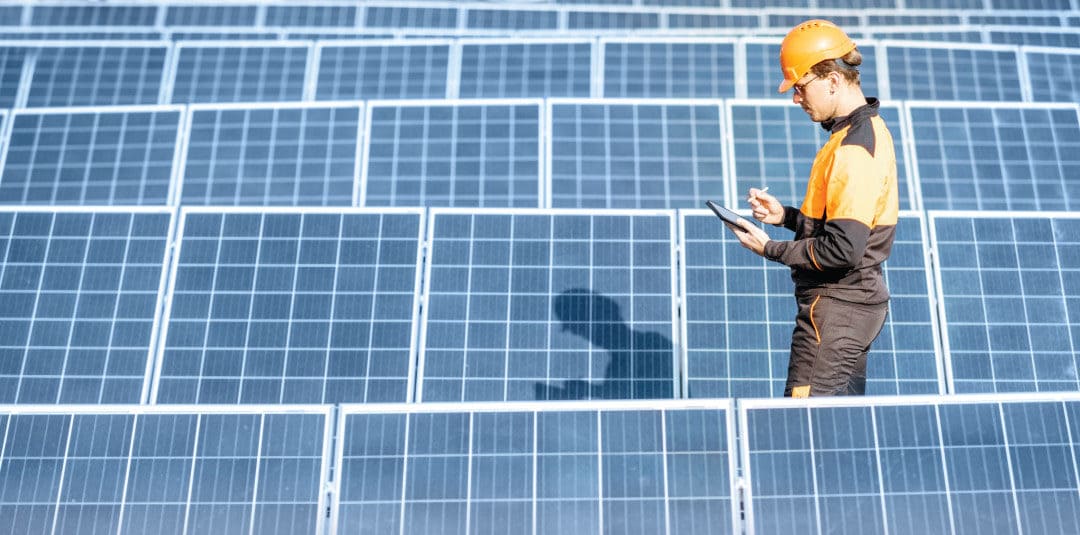
Solar panels and inverters.
Battery storage units.
Energy management system (EMS).
Grid connection interface.
Solar panels produce electricity during the day.
Excess power charges batteries.
Stored power is used at night or during outages.
Grid acts as backup and balance.
Energy independence and reliability.
Backup during power outages.
Efficient energy use and savings.
Scalable and flexible configuration.
Ideal for areas with unstable power supply.
Off-grid systems operate independently of the national grid, relying on batteries and generators.
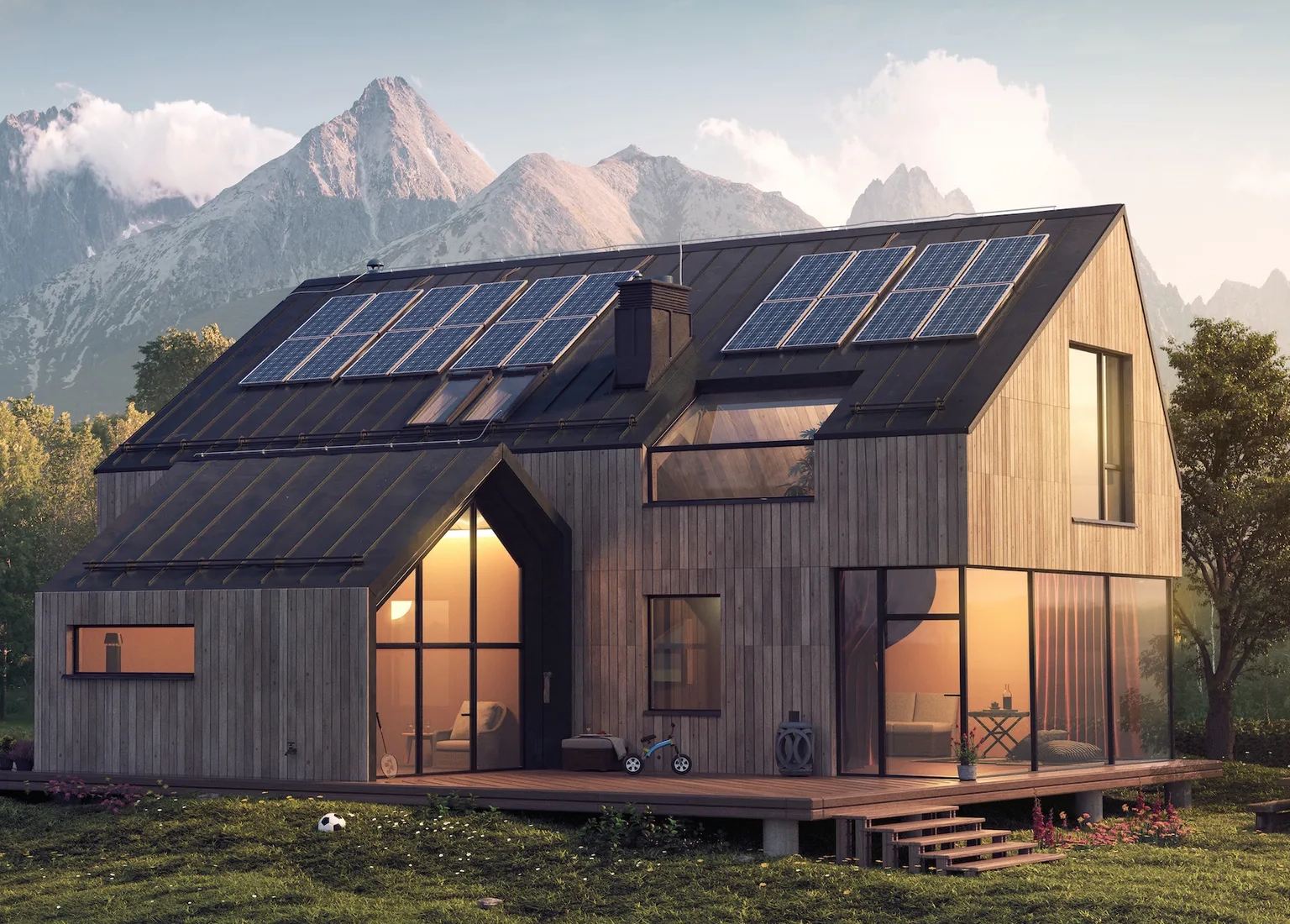
Solar panels.
Inverter and controller.
Battery bank.
Generator (optional).
Distribution system.
Panels produce electricity.
Controller manages charging.
Energy stored in batteries.
Power used at night from storage.
Complete independence from grid.
Reliable power in remote areas.
Eco-friendly and sustainable.
Expandable as needed.
Perfect for mountain areas, cabins, and isolated regions.
Microgrids are localized energy networks that can operate independently or alongside the main grid.
Distributed energy resources (DER).
Energy storage systems.
Control system and sensors.
Load management unit.
Connection to the main grid.
Energy generated from multiple sources.
Managed through a control center.
Supplies local users directly.
Synchronizes with the main grid when needed.
Improved reliability and efficiency.
Local energy independence.
Supports renewable integration.
Scalable for communities.
Widely used in smart cities and industrial zones.
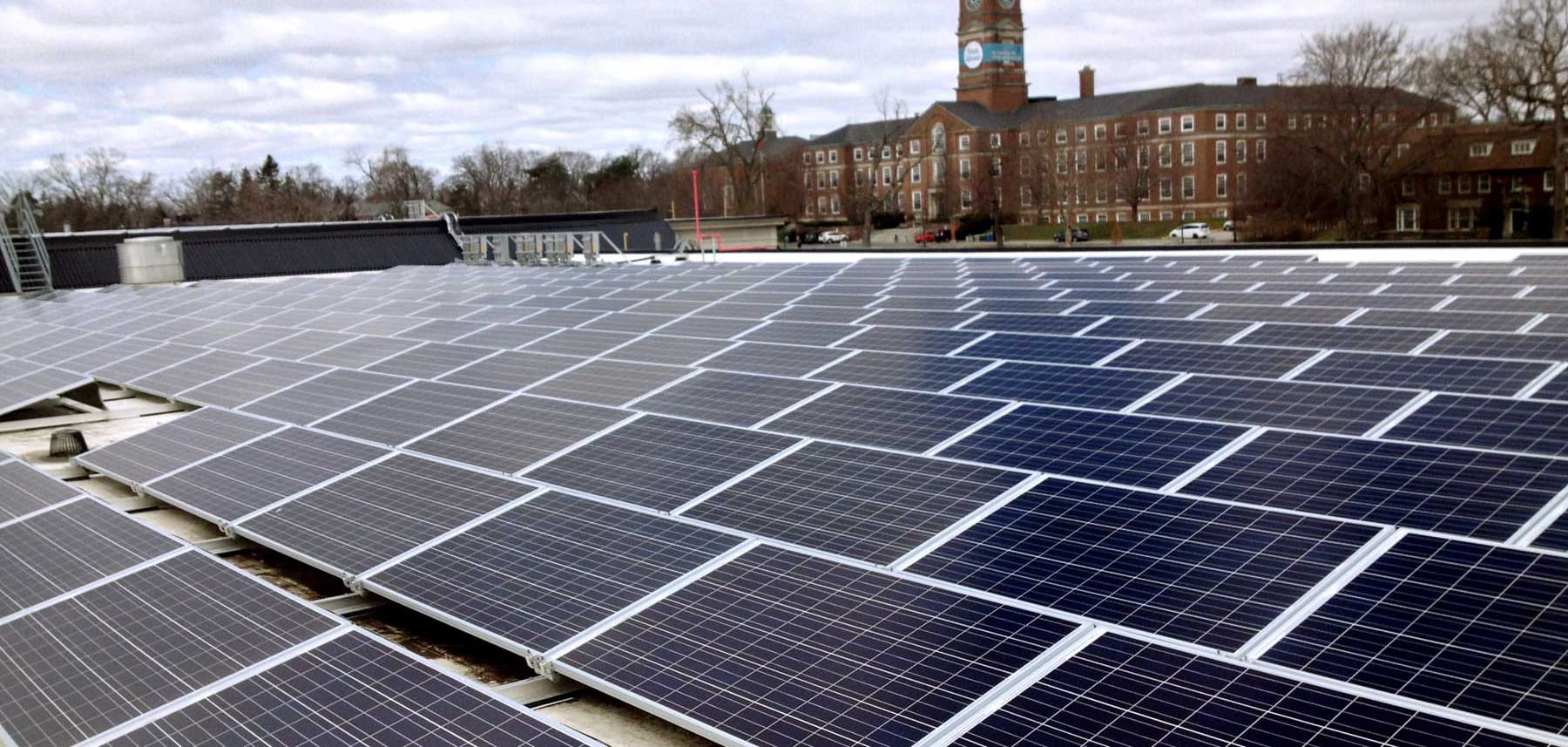
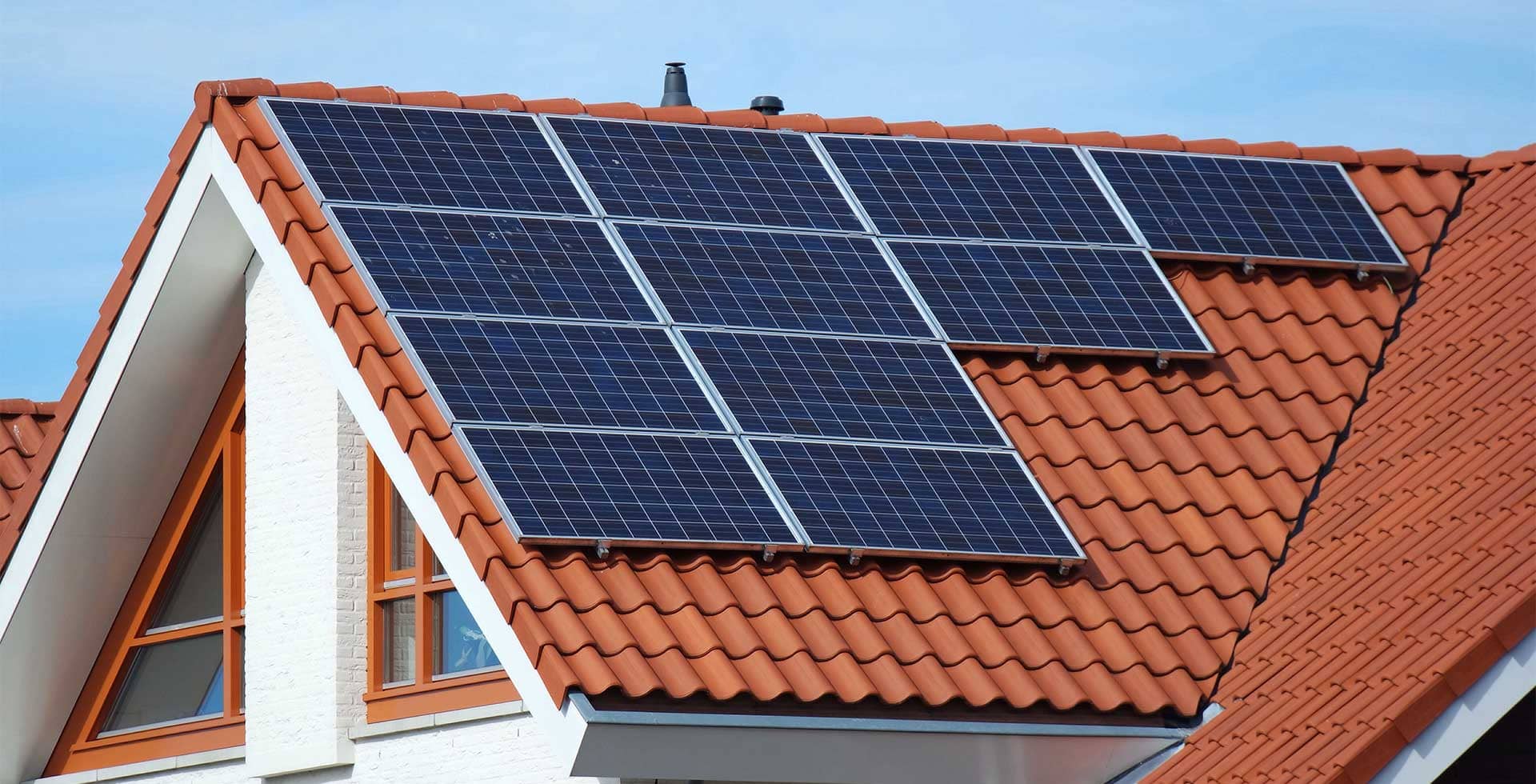
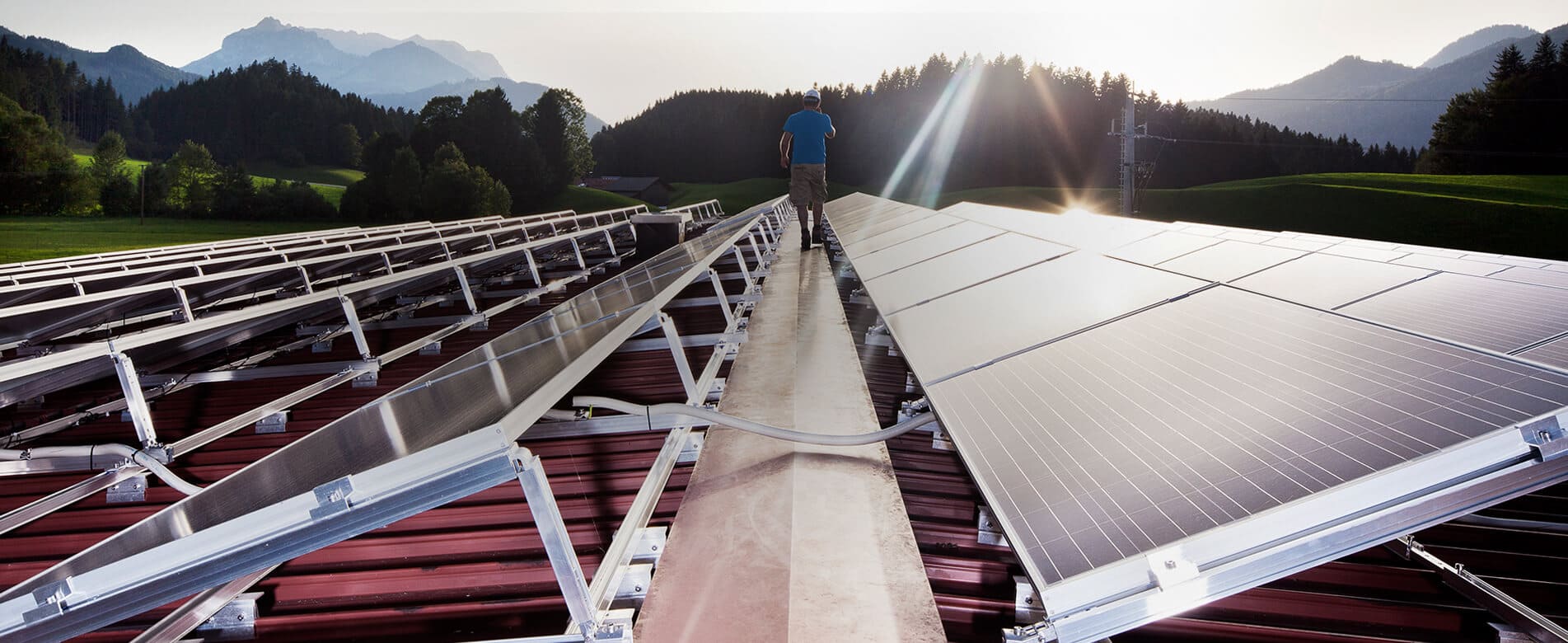
Solar Mounting Systems are structures designed to securely install solar panels onto various surfaces, such as rooftops, ground, or poles. These systems play a crucial role in maximizing solar panel performance, ensuring durability, and facilitating ease of installation. Here's a description of different types of solar mounting systems:
Suitable for pitched or flat roofs.
Lightweight aluminum profiles.
Quick installation and maintenance.
Weather and corrosion resistant.

Ideal for large installations.
High structural stability.
Adaptable tilt and direction.
Used for street lights and isolated devices.
Easy access and minimal space usage.
Durable materials ensuring long lifespan.
Designed for wind and snow loads.
Simple assembly and flexibility.
Aesthetic and compact design.
Compatible with various panel types.